
Sub-Total: $0.00
TRT / Sermorelin
TRT, Sermorelin, IGF-1, and Adult Growth Hormone Deficiency — SEO Guide
Overview: This article explains why Sermorelin can be a medical necessity alongside TRT (testosterone replacement therapy), how hormone replacement works for men and women, signs of low IGF-1, strategies to support the pituitary gland, and how to recognize and address adult growth hormone deficiency and related symptoms such as chronic fatigue, brain fog, and decreased libido. Always consult a qualified healthcare provider before starting or changing any hormone therapy.
Sermorelin as a Medical Necessity
What Sermorelin is and why it matters: Sermorelin is a synthetic growth hormone–releasing hormone analog that stimulates the pituitary to release endogenous growth hormone (GH), which in turn raises circulating IGF-1 levels—the primary mediator of GH’s tissue effects.
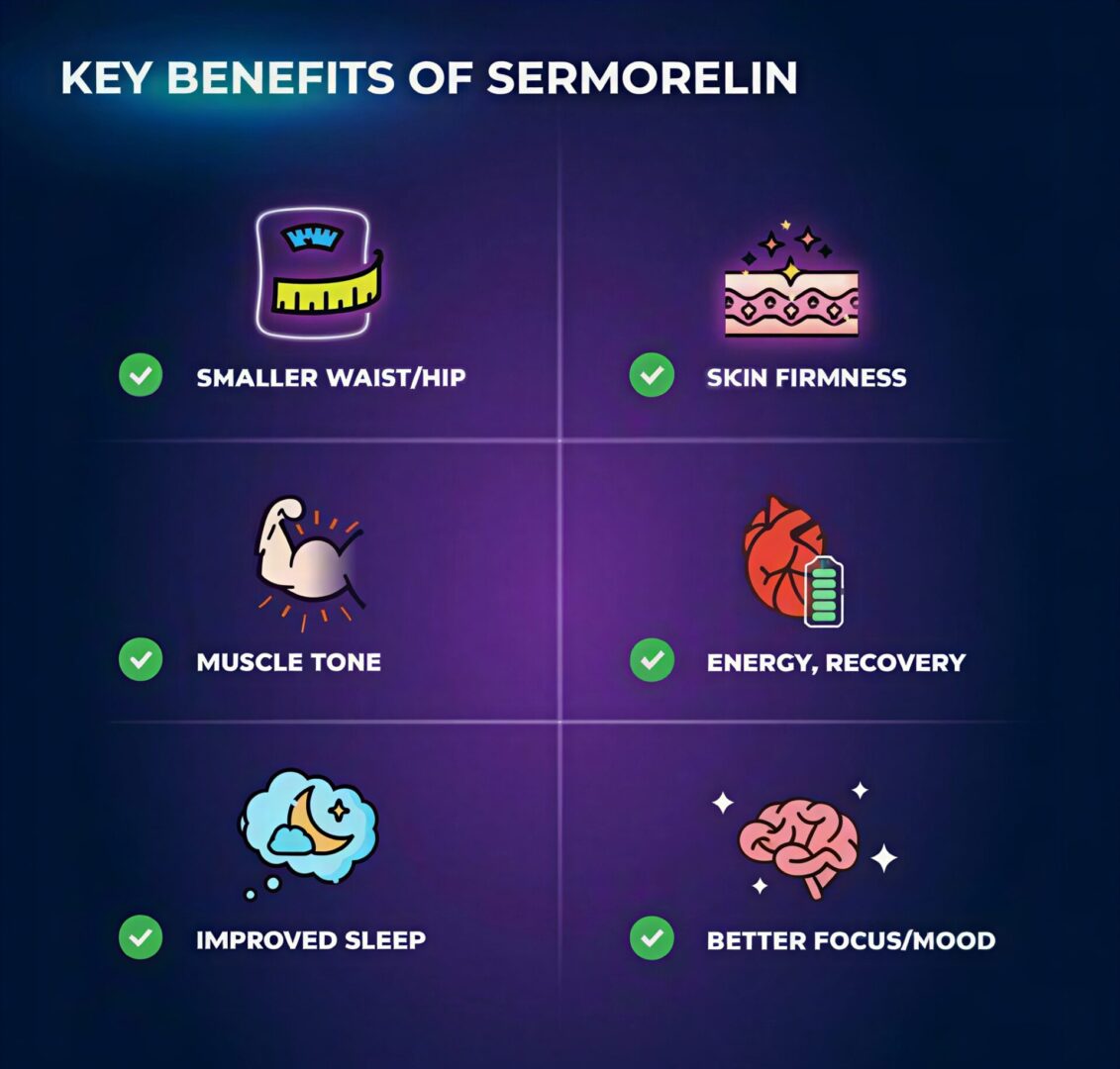
When it’s considered medically necessary: Clinicians may consider Sermorelin when testing shows adult growth hormone deficiency (AGHD) or low IGF-1 with symptoms such as reduced muscle mass, increased fat, poor recovery, and metabolic decline. Sermorelin is often chosen because it promotes natural, pulsatile GH release rather than providing exogenous GH.
Hormone Replacement for Men and Women
TRT and broader hormone optimization TRT (testosterone replacement therapy) addresses low testosterone in men and can improve energy, libido, and body composition. For both men and women, a comprehensive hormone plan may include thyroid optimization, estrogen/progesterone balance for women, and GH-axis support when indicated. Combining TRT with pituitary-targeted therapies like Sermorelin can address multiple axes of aging-related hormone decline.
Personalized approach: Effective hormone replacement is individualized: labs (total/free testosterone, estradiol, IGF-1), symptoms, age, comorbidities, and goals guide therapy. Monitoring and dose adjustments are essential to maximize benefits and minimize risks.
Low IGF-1 Symptoms
Key signs to watch for
- Chronic fatigue and low energy
- Reduced muscle mass and slower recovery after exercise
- Increased central adiposity (belly fat)
- Thinning skin, wrinkles, and slower wound healing
- Cognitive changes such as brain fog and reduced mental clarity
- Low libido or sexual dysfunction in both sexes.
Why IGF-1 matters: IGF-1 is produced mainly by the liver in response to GH pulses and is the measurable biomarker clinicians use to assess whether GH-axis therapies like Sermorelin are effective. Targeting IGF-1 helps ensure tissue-level benefits rather than focusing solely on GH numbers.
Pituitary Gland Support and Testing
How the pituitary fits into hormone health: The pituitary gland is the master regulator for GH and many other hormones. Supporting pituitary function and diagnosing pituitary-driven deficiencies requires targeted testing and sometimes stimulation tests rather than single random hormone measures.
Common diagnostic steps
- Measure IGF-1 as a screening biomarker.
- If IGF-1 is low and symptoms align, clinicians may order GH stimulation tests or refer to an endocrinologist for dynamic testing.
Lifestyle and medical support Lifestyle measures that support pituitary and GH health include optimized sleep (deep sleep supports GH pulses), resistance exercise, balanced nutrition, weight management, and treating sleep apnea when present. Medical options include Sermorelin or other GH-axis therapies when clinically indicated.
Adult Growth Hormone Deficiency
What AGHD looks like Adult growth hormone deficiency is a recognized medical condition that can accelerate metabolic aging, reduce vitality, and increase cardiovascular and bone health risks. Symptoms often overlap with low testosterone and other age-related changes, so careful evaluation is required.
Treatment options
- Sermorelin to stimulate endogenous GH release when pituitary responsiveness remains.
- Recombinant GH in select, closely monitored cases.
- Adjunctive therapies such as TRT, thyroid management, and lifestyle interventions to address the full hormonal milieu.
Medical Symptoms Chronic Fatigue Brain Fog and Decreased Libido
How these symptoms connect to hormones: Chronic fatigue, brain fog, and decreased libido are common, nonspecific complaints that often reflect multi-hormonal imbalances including low testosterone, low IGF-1, thyroid dysfunction, and sleep disorders. A comprehensive endocrine workup helps identify treatable causes.
Clinical approach
- Start with targeted labs: IGF-1, fasting morning testosterone, thyroid panel, and metabolic screening.
- Address reversible contributors: sleep quality, nutrition, exercise, mental health, and medications.
- If labs and symptoms indicate AGHD or low testosterone, discuss evidence-based therapies such as Sermorelin or TRT with an endocrinologist or hormone specialist.
FAQ
Q: Is Sermorelin the same as HGH? A: No. Sermorelin stimulates the pituitary to release your own growth hormone, while HGH (recombinant human growth hormone) is direct replacement. Sermorelin promotes natural, pulsatile secretion.
Q: Can men and women both benefit from Sermorelin? A: Yes. When testing shows GH-axis deficiency or low IGF-1 with compatible symptoms, both men and women may benefit under medical supervision.
Q: How is IGF-1 tested and interpreted? A: IGF-1 is measured via blood test and interpreted relative to age-specific reference ranges. It is the primary biomarker used to monitor GH-axis therapies.
Q: Will combining TRT and Sermorelin improve results? A: In some patients with multi-axis hormone decline, combining TRT with pituitary-targeted GH support can improve energy, body composition, and libido. This should only be done with careful lab monitoring and specialist oversight.
Q: What are common side effects? A: Sermorelin side effects are typically mild and may include injection-site reactions, transient headache, or flushing. More significant risks require specialist evaluation and monitoring.
Medical Disclaimer
This article is for informational purposes only and does not constitute medical advice. Hormone therapies such as TRT, Sermorelin, and recombinant GH carry benefits and risks that vary by individual. Diagnosis and treatment require evaluation by a licensed healthcare professional, including appropriate laboratory testing and follow-up. Always consult an endocrinologist or qualified clinician before starting, stopping, or combining hormone therapies.