
Sub-Total: $0.00
KLOW Peptide Mechanism of Action
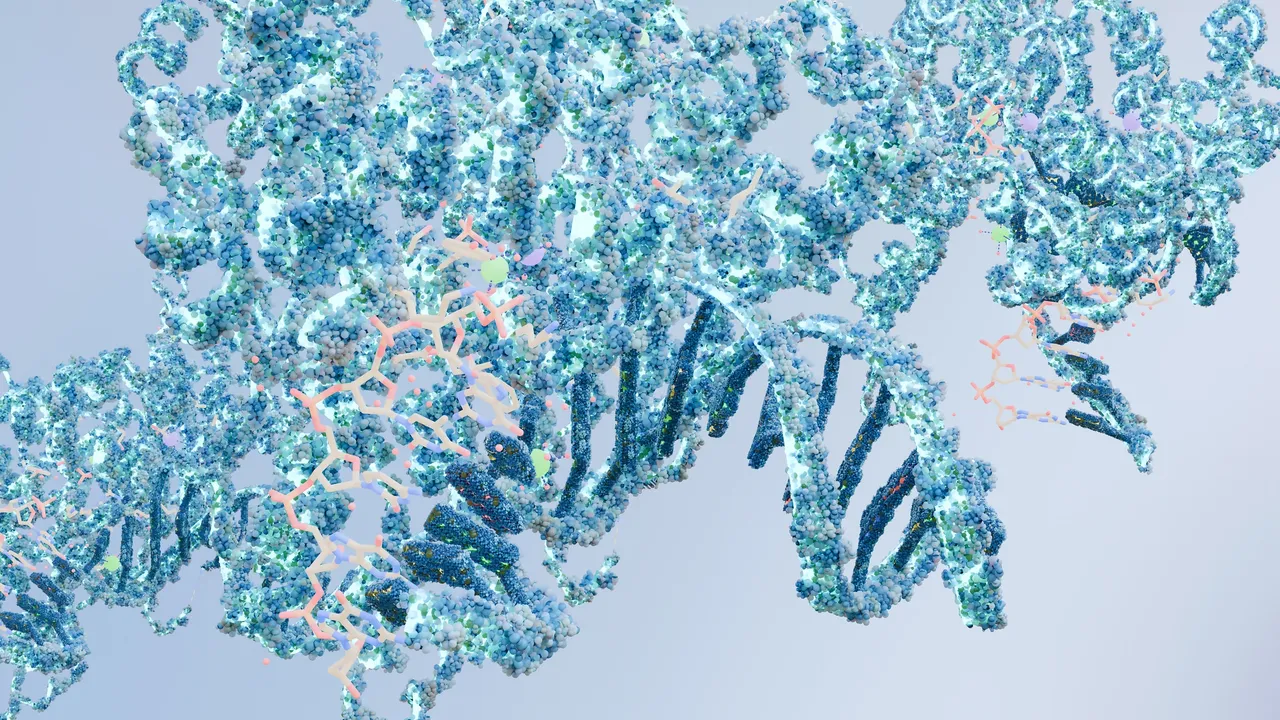
Unveiling the Science: How KLOW Peptide Interacts with Biological Systems
Step into the fascinating world of peptide research, where the intricate actions of KLOW peptide provide a window into cellular processes and targeted biochemical interventions. This overview introduces you to a compound that exemplifies precision in its interaction with biological systems, subtly influencing cellular signaling pathways and receptor modulation. Embracing a scientific-analysis perspective, the content sheds light on key principles that underpin its function and potential applications.
In this section, you will learn how KLOW peptide:
- Engages Cellular Receptors: Initiating complex signaling cascades that adjust cellular behavior.
- Modulates Metabolic Pathways: Promoting consistent responses in controlled laboratory environments.
- Balances Biochemical Interactions: Ensuring that molecular precision translates into predictable experimental results.
This introduction not only sets the stage for a deeper understanding but also helps bridge the gap between theoretical science and practical application. With insights applicable to research centers and metropolitan labs alike, readers will discover actionable tips and methodologies to integrate advanced peptide mechanisms into their experiments. Prepare to explore a realm where science meets innovation, paving the way for refined experimental protocols and enhanced biological insights.
Cellular Dynamics Unveiled: Redefining Intracellular Signaling
In unraveling the intricate workings of KLOW peptide, the focus shifts to its profound effects on cellular mechanisms. This analytical exploration dives deep into how the peptide modulates key signaling pathways, offering valuable insights for researchers and industry professionals alike. KLOW peptide is known to alter intracellular communication by:
- Modulating receptor activity: Influencing cell membrane receptors to trigger or inhibit downstream effects.
- Interacting with signaling cascades: Adjusting pathways such as phosphorylation events and secondary messenger release.
- Altering gene expression patterns: Inducing changes in transcription factors that ultimately impact cell behavior.
These modifications contribute to a refined cellular response, optimizing functions such as metabolism and protein synthesis. By engaging directly with cell receptors, the peptide creates a cascade of biochemical events that can help stabilize cellular environments in both research settings and clinical applications. Urban labs and local research centers are increasingly leveraging these insights to fine-tune experimental protocols and therapeutic interventions. Understanding the mechanisms underlying KLOW peptide’s action opens the door to more targeted, efficient approaches in peptide research, driving innovation and improving outcomes in cellular health and biomedical science.
Exploring Metabolic Impact: Decoding Peptide Pathways
KLOW peptide offers a nuanced approach to understanding metabolic processes, engaging multiple cellular pathways that are key to advanced research. By interacting with receptor sites across various metabolic circuits, this peptide enhances our ability to modulate biochemical reactions at a cellular level. Researchers have noted that the targeted activity of KLOW peptide leads to a cascade of intracellular events, effectively streamlining enzyme activity, and influencing energy expenditure.
Key aspects to consider include:
- Enzyme Regulation: KLOW peptide may accelerate specific enzyme reactions, optimizing metabolic efficiency.
- Cellular Signaling: Its ability to engage with specific receptors opens up opportunities for more precise signaling pathways.
- Balanced Metabolic Flux: By fine-tuning dietary and energy pathways, KLOW peptide can potentially stabilize metabolic irregularities.
For professionals working within urban research hubs or local clinical settings, integrating the study of such peptides into metabolic research can illuminate new methods for managing conditions linked to hormonal and enzymatic imbalances. Embracing this peptide’s mechanism offers tangible steps toward refined intervention strategies that align with the latest trends in peptide research and holistic metabolic management.
Frequently Asked Questions: KLOW Peptide Mechanism of Action
Q1: How does KLOW peptide modulate receptor interactions?
KLOW peptide is designed to interact with specific cellular receptors, influencing signal transduction pathways. Its receptor-specific binding improves the predictability of experimental results and therapeutic applications.
Q2: What steps ensure the purity and consistency of KLOW peptide?
Advanced synthesis and stringent quality control measures are employed, including chromatography and mass spectrometry. These procedures confirm that the peptide maintains high purity, ensuring reliable performance in laboratory and applied settings.
Q3: How can KLOW peptide be used in research applications?
The peptide is frequently utilized to study metabolic regulation and cellular signaling. Its consistent biochemical profile makes it ideal for in vitro experiments and clinical trials, providing valuable insights for both academic and urban research facilities.
Q4: What practical dosing strategies enhance KLOW peptide performance?
Optimized dosing protocols are recommended to tailor treatment plans based on individual metabolic responses. Trial-based adjustments and structured monitoring ensure both safety and efficacy.
Q5: Is KLOW peptide suitable for diverse laboratory environments?
Yes, its robust design and high purity have made it a trusted tool across various research centers, from local laboratories to metropolitan scientific hubs.
Concluding Reflections: Steering the Future of Peptide Research
Understanding the intricate interplay of KLOW peptide’s mechanisms has illuminated a path filled with potential and precision. By synthesizing high purity standards with targeted biochemical actions, the research underscores both the importance of validation protocols and the tangible outcomes that can be replicated in sophisticated laboratory settings. This analysis not only emphasizes scientific rigor but also bridges the gap between theory and actionable strategies.
Key takeaways include:
- Enhanced Reproducibility: Employ consistent quality checks to ensure reliable peptide results.
- Tailored Dosing Strategies: Customize protocols based on metabolic profiles for optimized performance.
- Rigorous Lab Practices: Employ precision analytical techniques to maintain peptide integrity.
For professionals in urban research centers or local laboratories, these insights offer a clear roadmap to harness peptide research for groundbreaking therapeutic and experimental applications. As you integrate these refined practices, explore incremental adjustments and continuously monitor outcomes to refine your approach. Embrace these industry insights to drive innovation and reliable results. Your dedication to precision and continuous improvement will propel the evolution of peptide science and support lasting advancements in the field.