
Sub-Total: $0.00
What Peptides Are in Simple but Accurate Terms
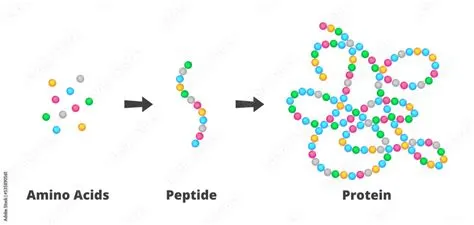
What peptides are (in simple but accurate terms)
- Basic definition: Peptides are short chains of amino acids—the same building blocks that make proteins. Typically they’re about 2–50 amino acids long; longer chains are usually called proteins.
- How they’re held together: Amino acids link via peptide bonds, forming a chain. The sequence of amino acids determines what that peptide does—like letters forming different words.
- Peptides vs proteins:
- Peptides: shorter, usually simpler structure, often act as signals (hormones, messengers).
- Proteins: longer, fold into complex 3D shapes, often act as enzymes, structural components, transporters, etc.
You can think of peptides as short “instruction messages” and proteins as the big “machines and scaffolding” of the cell.
How peptides are made in the body
Inside your cells, peptides are made mostly the same way as proteins:
- DNA → mRNA: A gene is copied into messenger RNA (mRNA).
- mRNA → amino acid chain: Ribosomes read the mRNA and link amino acids together in a specific order, forming a peptide or protein.
- Processing: Some peptides start as larger “precursor” proteins that are later cut by enzymes into smaller active peptides (for example, many hormones are made this way).
So your body is constantly synthesizing, modifying, and breaking down peptides as part of normal life.
Major types of peptides in the body
1. Peptide hormones
These are peptides that act as hormones—chemical messengers released into the blood to act on distant organs.
- Insulin: A 51–amino acid peptide hormone made by the pancreas. It helps cells take up glucose from the blood and store it, keeping blood sugar in a healthy range.
- Glucagon: Another peptide hormone from the pancreas that raises blood sugar by telling the liver to release stored glucose.
- GLP‑1 (glucagon-like peptide‑1): A gut peptide that helps regulate appetite, insulin release, and digestion. Synthetic versions (GLP‑1 receptor agonists) are used as medications for diabetes and weight management.
- Other examples:
- Oxytocin, vasopressin (from the brain)
- GnRH, LH, FSH (reproductive hormone regulators)
These hormones coordinate metabolism, growth, reproduction, and fluid balance.
2. Neuropeptides
These are peptides used by nerve cells to communicate.
- They modulate pain, mood, appetite, stress, and reward.
- Examples include endorphins, substance P, neuropeptide Y, and others.
They often fine‑tune how neurons respond rather than acting as the main “on/off” switch.
3. Structural and matrix-related peptides
- Collagen peptides: Collagen is a large protein that forms the framework of skin, bone, tendons, ligaments, and cartilage. When collagen is broken down, it forms collagen peptides, which can signal cells and also be reused as building material.
- These peptides are involved in tissue repair, skin elasticity, and bone strength.
4. Immune and antimicrobial peptides
- Antimicrobial peptides (AMPs): Short peptides in the skin, gut, and other barriers that can disrupt bacteria, fungi, and some viruses. They help protect against infection and support wound healing.
- They also help regulate inflammation and the balance of microbes on the skin and in the gut.
How peptides actually “work” in the body
Most peptides act as signals. Here’s the basic pattern:
1. Release
- A cell makes a peptide, packages it, and releases it:
- Into the bloodstream (hormones)
- Into the space between neurons (neuropeptides)
- Into tissues or onto the skin (immune/antimicrobial peptides)
2. Binding to receptors
- Peptides usually bind to specific receptors on the surface of target cells—like a key fitting a lock.
- Each receptor is tuned to a particular peptide or small group of peptides.
3. Triggering intracellular signaling
Once the peptide binds its receptor, it triggers a cascade inside the cell, such as:
- Second messengers (like cAMP, calcium changes)
- Activation or inhibition of enzymes
- Changes in ion channels
- Activation of transcription factors that alter which genes are turned on or off
This is how a tiny peptide outside the cell can cause big changes inside the cell.
4. Functional outcomes
Depending on the peptide and the cell type, the result might be:
- Metabolic changes:
- Insulin → more glucose uptake, more glycogen and fat storage
- Glucagon → more glucose release from the liver
- Growth and repair:
- Growth-related peptides → increased protein synthesis, cell division, tissue repair
- Nervous system effects:
- Neuropeptides → altered pain perception, appetite, mood, stress response
- Immune and barrier effects:
- AMPs → kill microbes, modulate inflammation, support wound healing
- Bone and connective tissue:
- Collagen-related peptides → influence bone mineral density and joint health.
Peptides in food and supplements
Natural dietary peptides
When you eat protein (meat, fish, eggs, beans, etc.), digestion breaks it down into:
- Amino acids
- Small peptides
These can be absorbed through the gut and used to build your own proteins and peptides. Foods rich in peptides/amino acids include: meat, fish, eggs, milk, beans, lentils, soy, oats, flaxseed, hemp seeds, wheat.
Peptide supplements
Common ones include:
- Collagen peptides: Marketed for skin, joints, and bones. Some studies suggest benefits for skin elasticity and bone mineral density, but research is still evolving.
- Creatine peptides: Used for muscle performance and strength; evidence supports creatine in general, though the specific advantage of “peptide” forms is less clear.
- Other “performance” peptides (like GHS, follistatin, etc.): Some are marketed for muscle growth or fat loss, but:
- Many are not well studied in humans.
- Some are banned in sports and may be unsafe or illegal.
Also, most oral peptides are broken down in digestion, so only a fraction may reach the bloodstream intact.
Medical and therapeutic use of peptides
In medicine, peptides are used in a much more controlled, evidence-based way:
- Insulin: Classic peptide drug for type 1 and some type 2 diabetes.
- GLP‑1 receptor agonists (e.g., semaglutide, liraglutide): Synthetic peptides that mimic GLP‑1 to improve blood sugar control and support weight loss.
- Osteoporosis treatments: Some peptide drugs are approved to help increase bone density and reduce fracture risk.
- Cancer therapy: Certain peptide-based drugs target receptors on tumor cells to deliver treatment more precisely.
These are tightly regulated, tested for safety and effectiveness, and prescribed by clinicians.
Safety and what to be cautious about
- Normal body peptides: The peptides your body makes naturally are essential and constantly regulated.
- Food-based peptides: Getting peptides from normal protein-rich foods is generally safe and healthy.
- Supplements and “research” peptides:
- Supplements are less regulated than medications; quality and purity can vary.
- Some injectable or “research” peptides sold online can be unsafe, contaminated, or dosed unpredictably.
- If someone is pregnant, breastfeeding, has medical conditions, or takes medications, they should talk with a healthcare professional before using peptide products.
Pulling it together
In short:
- Peptides are short amino acid chains that act as messengers, regulators, and building blocks.
- They control metabolism, hormones, mood, immunity, tissue repair, and more by binding to specific receptors and triggering signaling cascades.
- Your body makes them constantly; you also ingest them through food.
- In medicine, carefully designed peptide drugs can be powerful tools. In the supplement and cosmetic world, the science is mixed and the regulation looser.
If you want, we can zoom in next on a specific area—like peptides for skin, muscle and performance, or hormone regulation—and unpack the mechanisms and evidence there in more detail. Which angle are you most curious about?