
Sub-Total: $0.00
Bacteriostatic Water vs Sterile Water in the Laboratory
Laboratories that dissolve or dilute dry research materials usually specify an aqueous reagent in the written method. Two names appear often: bacteriostatic water, and a preservative-free water that is commonly sold under the catalog name “sterile water.”
The useful difference is composition, not a slogan. Bacteriostatic water is water that contains a preservative, most often 0.9% benzyl alcohol. The other class is water without that preservative. This article compares those two reagent classes for bench work. It does not claim that any product from Boss Peptides (bosspeptide.com) is sterile, and a catalog name is not the same thing as a lot-specific test report.
Boss Peptides (bosspeptide.com) lists two volumes of bacteriostatic water under Lab Supplies: bacteriostatic water 10 mL and BAC Water 30 mL. Both are sold as individual vials for laboratory research use only. This page is not a use protocol.
What bacteriostatic water is
In laboratory catalogs, bacteriostatic water is an aqueous reagent preserved with benzyl alcohol, typically at 0.9% (v/v). The preservative is there so a vial can be accessed more than once under the laboratory’s own aseptic technique, according to the method and the label. It is not a universal solvent, and it is not compatible with every reagent or assay.
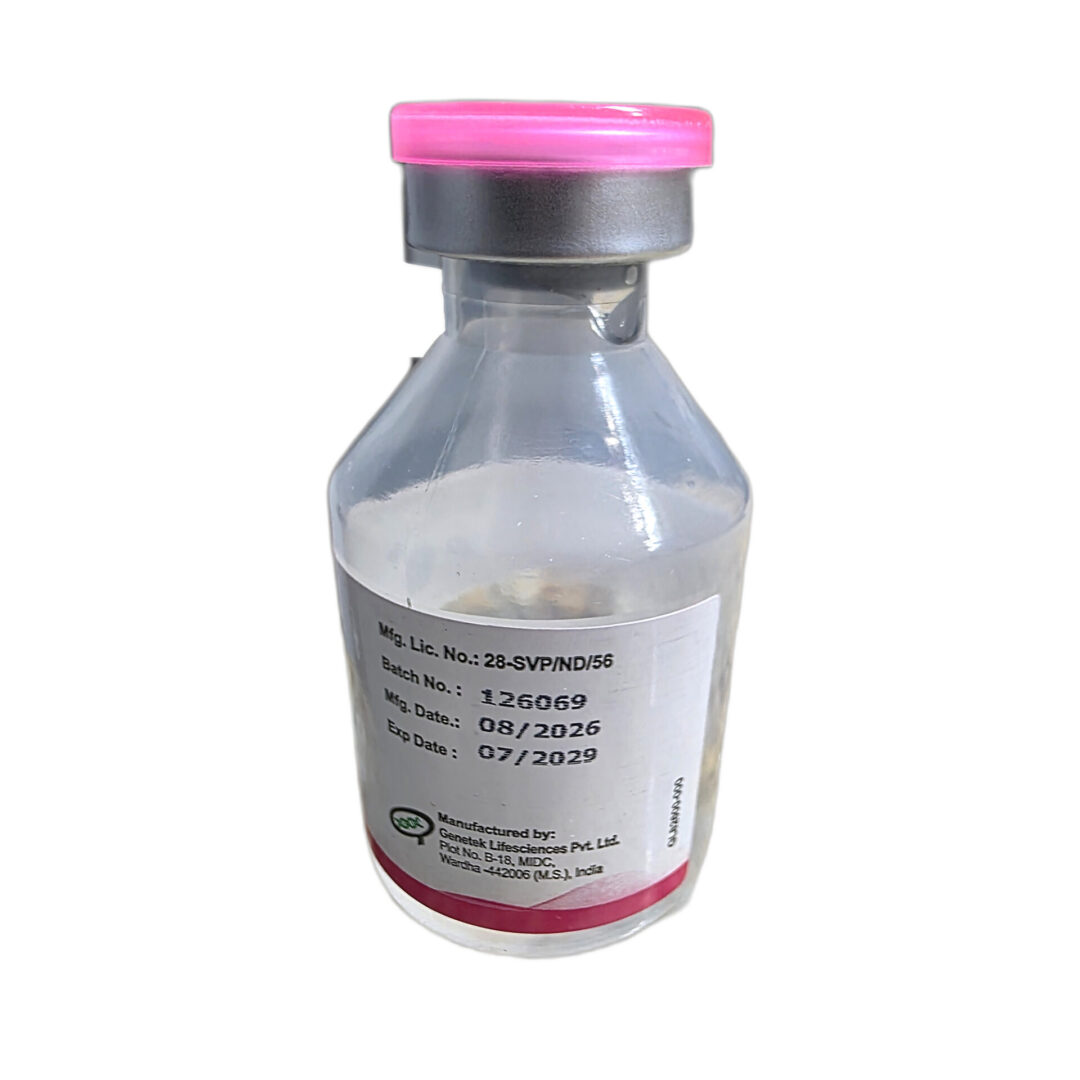
Read the label on the container you received before first use. It should state the fill volume, the presence and amount of benzyl alcohol, and the storage line. Lot and manufacturer details, when needed for a notebook entry, can be requested from the supplier.
Benzyl alcohol can interfere with some analytical methods and with some biological assays. If a written protocol calls for a preservative-free diluent, bacteriostatic water is not a substitute. If a protocol names bacteriostatic water, the method — not a product page — still governs concentration, timing, and what the solution is used for.
What “sterile water” means on a catalog page
“Sterile water” is a common catalog name for a preservative-free aqueous reagent. Laboratories use that name when a method wants water without benzyl alcohol, often in a single-access container. This article uses the name the way catalogs use it: as a class label.
A class label is not a test result. Related claims, when a laboratory requires them, belong on a lot document that names the method and the date. This article does not make those claims about any lot, including products sold by Boss Peptides (bosspeptide.com). If a method requires a specific monograph, container type, or test panel, follow the lot documents and the written protocol.
Without a preservative, a vial is typically handled as a short-dated reagent once it has been opened, and many methods specify it as single-use. Follow the protocol and the label; do not borrow holding times from a preserved vial.
How the two reagents differ at the bench
The practical questions are composition, compatibility, and how the container is meant to be accessed.
- Preservative. Bacteriostatic water contains 0.9% benzyl alcohol unless the label says otherwise. The preservative-free class does not. That is the difference most methods are pointing to when they name one reagent and not the other.
- Assay fit. Some methods tolerate benzyl alcohol. Some do not. Confirm fit before the first opening, especially for cell-based work, enzymatic assays, or any method that already limits residual solvents.
- Container use. A preserved vial may be accessed more than once under aseptic technique. A preservative-free vial is often specified as single-access. Neither description replaces the laboratory’s own technique or the open-vial period written in the method.
- What neither reagent does. Neither reagent is a research compound, a protocol, or a route of use. If a written protocol specifies a target concentration in mg/mL, the lab solution concentration calculator can do that unit conversion. It is not a recipe.
If you are also reviewing a lyophilized peptide lot, read the certificate of analysis for any solubility or solvent notes first. How to Read a Certificate of Analysis (COA) for Research Peptides is the companion article. How to Store Peptides in the Lab covers holding conditions for dry material. This article does not provide a reconstitution recipe.
Choosing a 10 mL or 30 mL vial
Boss Peptides (bosspeptide.com) currently lists two bacteriostatic water volumes, sold as individual vials. There are no multi-packs in the catalog.
The 10 mL listing is the smaller fill. A smaller vial can mean less unused volume when a method only needs a limited amount of diluent, or when the laboratory wants a shorter open-vial period from a single container.
The 30 mL listing is the larger fill. A larger vial gives more working volume from one sealed container, which can mean fewer vial changes during a run that needs several dilutions. It also leaves more unused volume if the method only needs a small aliquot.
Read each listing on its own label. Do not assume that storage lines, manufacturer, or lot details are identical across volumes. Follow the vial you received.
Storage and handling notes
Storage belongs on the label and in any accompanying lot documents. A 30 mL label read for this catalog used a storage range of 20–25 °C (68–77 °F) and said to protect the vial from freezing. That is a label line for that container, not a universal rule. A 10 mL vial may carry a different line. If the label you receive differs from a page summary, the label wins.
Other handling notes that belong in a laboratory SOP:
- Keep the vial dry and protected from light unless the label says otherwise.
- Return a preserved vial to its stated storage condition after each session.
- Do not freeze a vial whose label says to protect it from freezing.
- Record the lot number, the received date, and the first-opening date in the notebook.
- Do not mix leftover contents from two vials, even when the catalog name is the same.
Questions about an incoming shipment are covered in the FAQ and the shipping policy. Returns are limited to the wrong item, transit damage, or a defect, with notice requirements described on the return policy page.
Where this sits in the catalog
Bacteriostatic water is filed with other laboratory supplies, not with research peptides. The category page is Lab Supplies. Research materials are listed separately in Peptides and on the shop page. Further laboratory notes are in the Knowledge Center and research tutorials. For the formal sales limitation, see the RUO statement.
FAQ
What is the composition difference?
Bacteriostatic water contains a preservative, typically 0.9% benzyl alcohol. The reagent class often sold as “sterile water” is preservative-free. Always confirm the composition on the label of the vial you have.
Why do some protocols specify a preservative?
A written method may call for a preserved aqueous reagent when the laboratory expects to access one vial more than once. Other methods require a preservative-free reagent. The protocol, not a catalog name, is the instruction to follow.
Are the 10 mL and 30 mL vials the same except for volume?
Volume is the catalog difference. Storage, manufacturer, and lot details should be read from the label on the vial you received. Do not assume the two listings share the same label text.
Does this article claim that a vial is sterile?
No. “Sterile water” is used here as a common catalog name for preservative-free water. This article does not make a sterility claim about any lot sold by Boss Peptides (bosspeptide.com).
Is bacteriostatic water for human use?
No. Products from Boss Peptides (bosspeptide.com) are sold for laboratory research use only. They are not medicines, supplements, or foods, and they are not for human or animal consumption.
Research-use limitation
Products from Boss Peptides (bosspeptide.com) are sold for laboratory research use only. They are not medicines, supplements, or foods, and they are not for human or animal consumption. The notes above describe laboratory reagents only. They are not a protocol, a route of use, or a sterility or endotoxin claim.